
Understanding Motion Flexibility Evaluation: A Guide to Better Movement
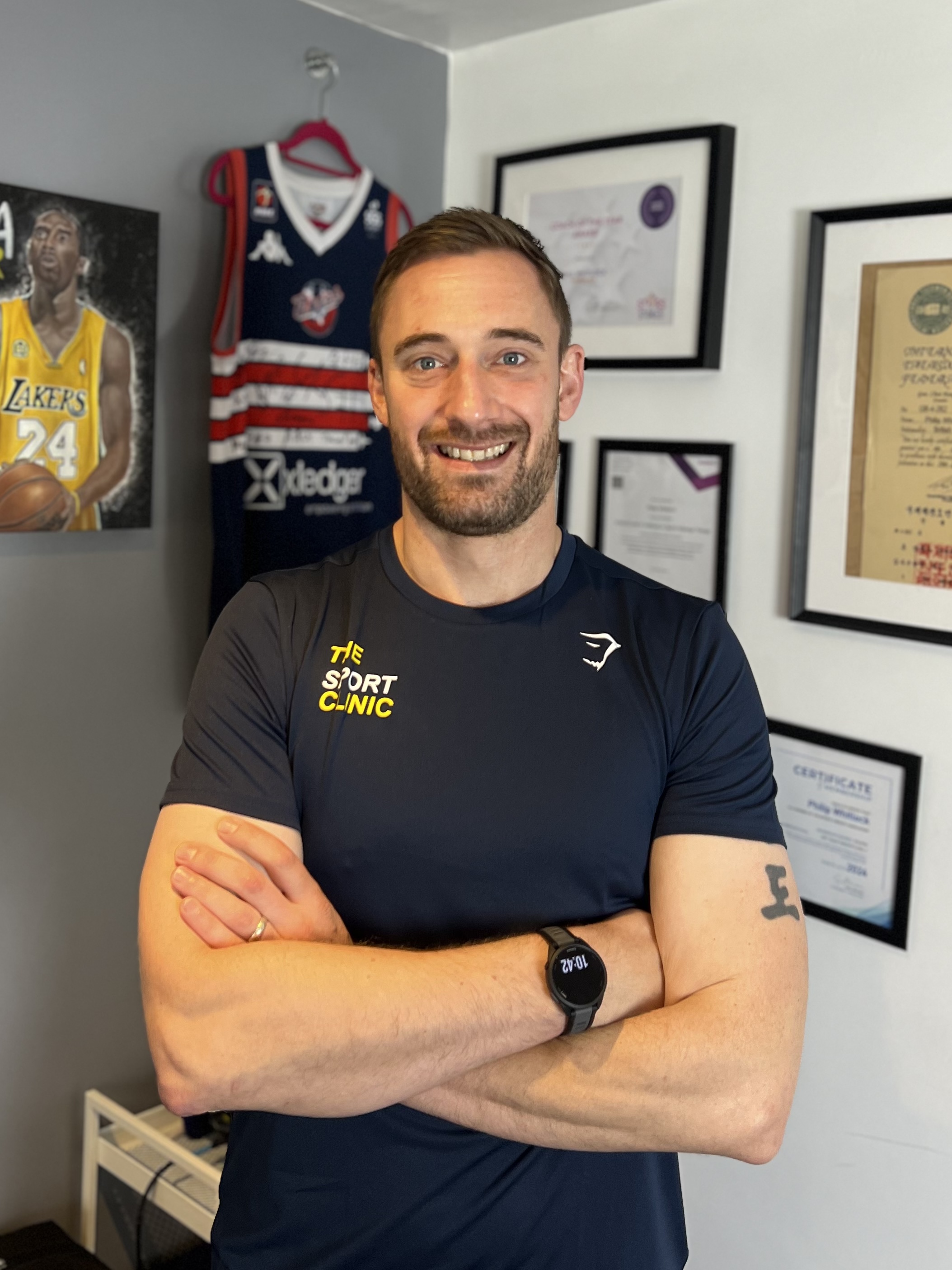
When it comes to staying active and healthy, understanding how your body moves is essential. Whether you’re recovering from an injury, training for a sport, or simply trying to maintain your physical well-being, knowing your body's limits and capabilities can make all the difference. That’s where motion flexibility evaluation comes in. It’s a simple yet powerful way to assess how well your joints and muscles are functioning, helping you prevent injuries and improve performance.
What Is Motion Flexibility Evaluation and Why It Matters
Motion flexibility evaluation is a process that measures the range through which your joints can move. It looks at how far you can bend, stretch, or rotate a joint without pain or discomfort. This evaluation is crucial because it helps identify any restrictions or imbalances in your body that might be holding you back.
For example, if your shoulder joint doesn’t move as freely as it should, you might struggle with overhead activities or experience pain during exercise. By assessing your flexibility, you can pinpoint these issues early and work on targeted exercises or treatments to improve your mobility.
Here are some key benefits of motion flexibility evaluation:
Injury prevention: Identifying tight or weak areas reduces the risk of strains and sprains.
Enhanced performance: Better joint mobility allows for more efficient and powerful movements.
Pain management: Understanding limitations helps tailor rehabilitation programs.
Personalized care: Professionals can design specific plans based on your unique needs.
This evaluation is especially helpful for athletes and active individuals who rely on optimal movement to perform at their best.

How Motion Flexibility Evaluation Works
The process of motion flexibility evaluation is straightforward and non-invasive. It usually involves a trained professional guiding you through a series of movements while measuring the angles of your joints. Here’s what typically happens:
Initial assessment: The professional asks about your medical history, current pain, and activity levels.
Active movement tests: You move your joints through their full range without assistance.
Passive movement tests: The professional gently moves your joints to assess flexibility beyond your active control.
Measurement: Tools like goniometers or inclinometers measure the exact angles of movement.
Analysis: Results are compared to normal ranges to identify any restrictions or asymmetries.
For example, during a shoulder evaluation, you might be asked to raise your arm overhead, rotate it inward and outward, and move it across your body. Each movement is carefully measured to see if it falls within a healthy range.
This detailed approach ensures that any issues are accurately identified, allowing for effective treatment plans.
Common Areas Assessed in Motion Flexibility Evaluation
Certain joints and muscle groups are more prone to stiffness or injury, making them common targets for motion flexibility evaluation. These include:
Shoulders: Vital for many sports and daily activities, shoulder flexibility affects everything from throwing to lifting.
Hips: Hip mobility is crucial for running, jumping, and squatting.
Knees: Knee flexibility impacts walking, cycling, and jumping.
Spine: Spinal flexibility influences posture and overall movement efficiency.
Ankles: Ankle mobility affects balance and agility.
Each area has specific tests designed to measure its flexibility accurately. For instance, the hip joint is often assessed through movements like hip flexion, extension, and rotation. Limited hip mobility can lead to compensations elsewhere, increasing injury risk.
Understanding which areas need attention helps focus your rehabilitation or training efforts where they matter most.

How to Improve Your Motion Flexibility
Once you know where your flexibility stands, the next step is improvement. Here are some practical tips to enhance your joint mobility:
Regular stretching: Incorporate dynamic stretches before activity and static stretches after.
Strength training: Build balanced muscle strength around joints to support movement.
Mobility exercises: Use controlled movements like leg swings, arm circles, and hip openers.
Foam rolling: Release muscle tightness and improve tissue quality.
Consistent practice: Flexibility improves gradually with regular attention.
For example, if your shoulder is tight, try wall slides or doorway stretches daily. If your hips feel stiff, hip flexor stretches and deep squats can help.
Remember, improving flexibility is a journey. Be patient and consistent, and avoid pushing into pain.
When to Seek Professional Help
Sometimes, self-care isn’t enough. If you experience persistent pain, limited movement, or recurring injuries, it’s wise to consult a specialist. Professionals at places like The Sport Clinic in South Gloucestershire offer expert assessments and personalized care plans.
They can perform a detailed range of motion assessment to identify specific issues and recommend targeted treatments such as:
Manual therapy
Customized exercise programs
Rehabilitation protocols
Advice on injury prevention
Getting professional guidance ensures you recover safely and get back to your activities stronger than before.
Taking Charge of Your Movement Health
Understanding your body’s motion flexibility is empowering. It gives you the knowledge to protect yourself from injury and improve your physical performance. Whether you’re an athlete pushing your limits or someone recovering from pain, regular motion flexibility evaluation can be a game-changer.
By paying attention to your joint mobility, practicing targeted exercises, and seeking expert help when needed, you can enjoy better movement and a healthier, more active life.
Start today by exploring your own flexibility and consider booking a professional assessment to take your movement to the next level.
If you want to learn more about how motion flexibility evaluation can benefit you, The Sport Clinic in South Gloucestershire is ready to help with expert care tailored to your needs.

